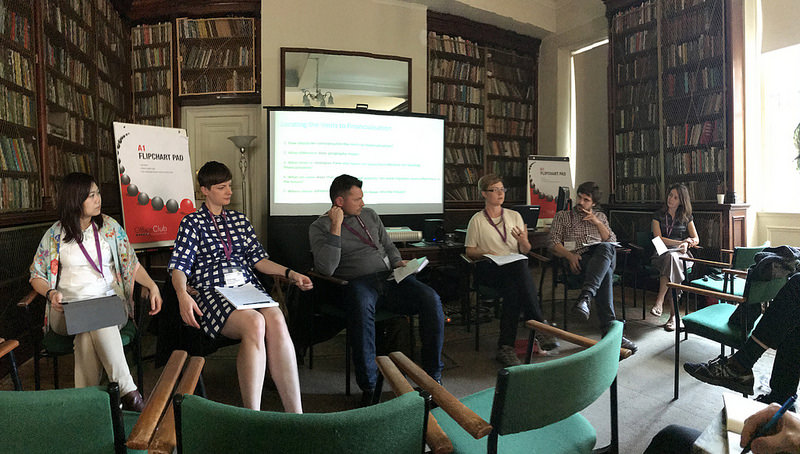
It was good to be back at the Royal Geographical Society after a break of two years. I usually spent most conferences involved with one particular stream of sessions that I (co)organise or otherwise affiliated with. This time, I was split between sessions organised by the Global Production Networks Centre (GPN@NUS) and Global Network on Financial Geography (FinGeo), which made for a very busy but fruitful schedule.
The six sessions organised by GPN@NUS were co-sponsored by the journals Economic Geography, Environment and Planning A and the Journal of Economic Geography. The programme opened with a plenary lecture by Adrian Smith (QMUL) and a panel discussion (panelists: Stephanie Barrientos, Gavin Bridge, Ben Derudder, Alex Hughes and Henry Yeung). Four paper sessions explored various issues in GPN research such as strategic coupling, labour and environment.


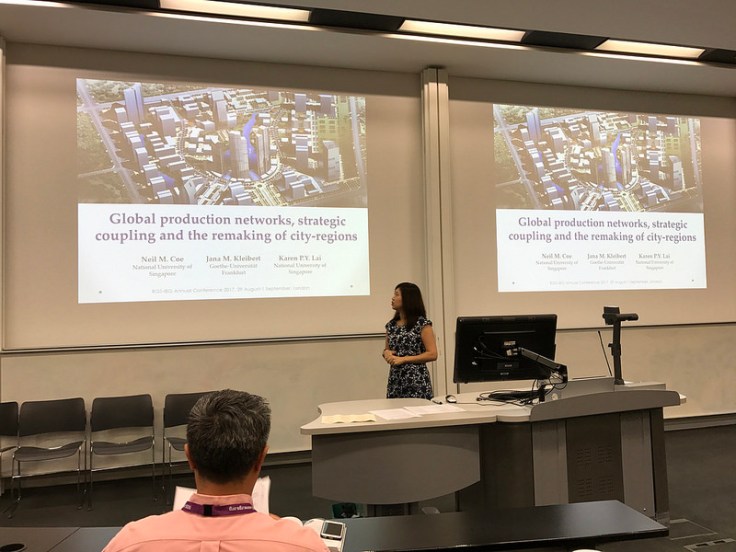
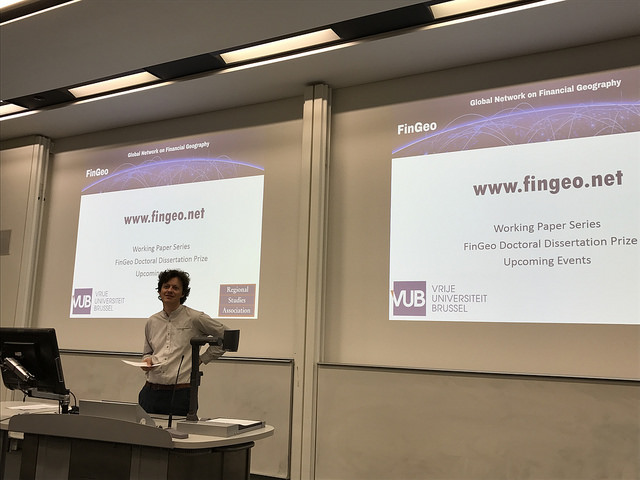
FinGeo supported a series of seven sessions at the RGS-IBG 2017. A diverse set of papers dealt with platform finance, FinTech and financialisation with special focus on emerging and low-income economies.

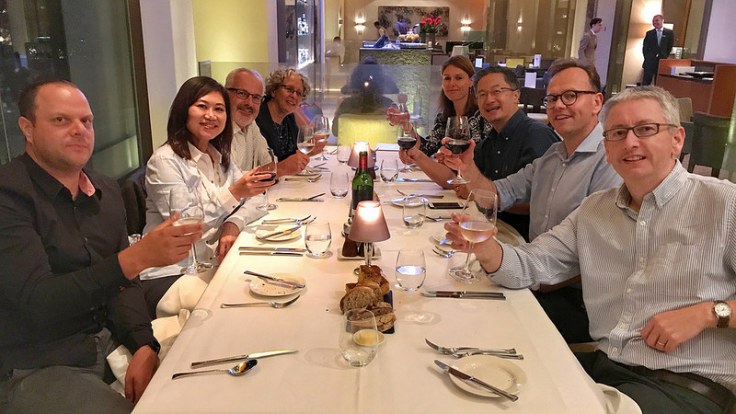
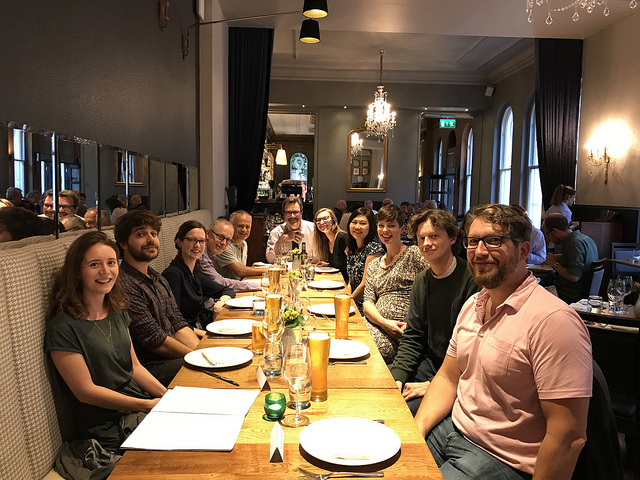
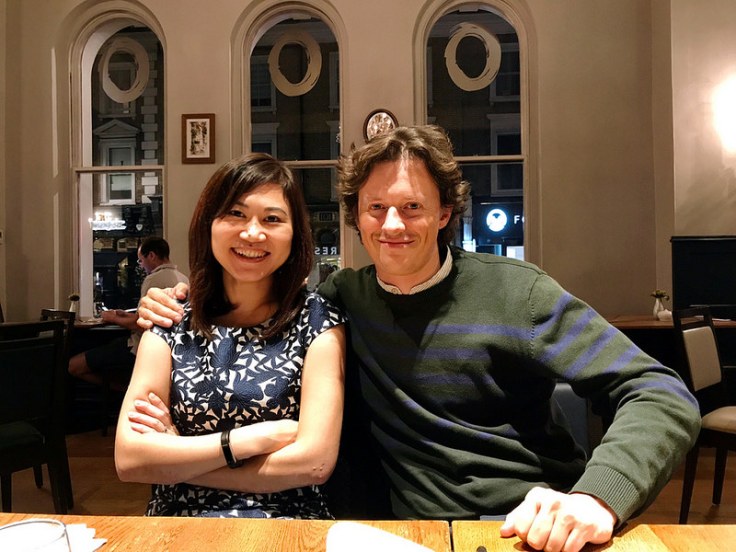
A dinner sponsored by FinGeo brought together our session convenors in a more informal setting for some networking. It was great to see the lively discussion and convivial mingling among early career and established scholars.
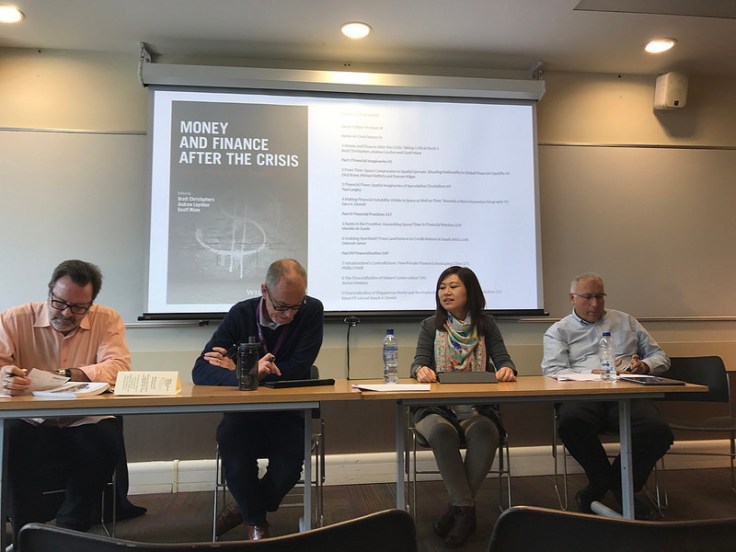
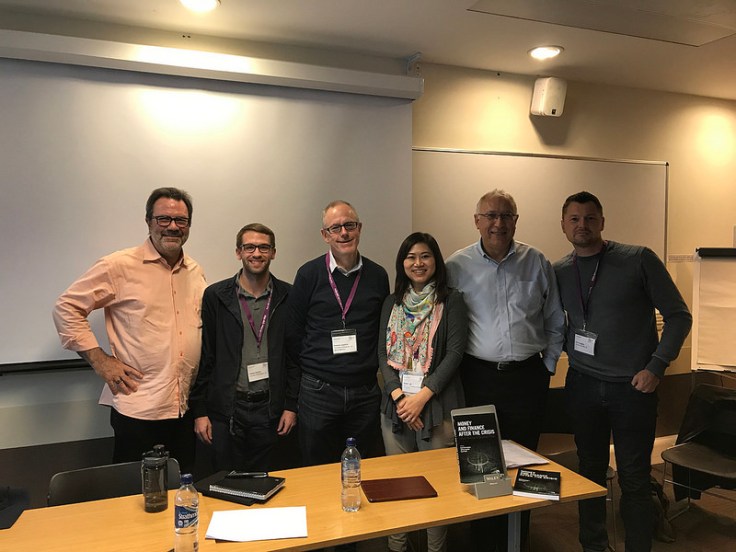
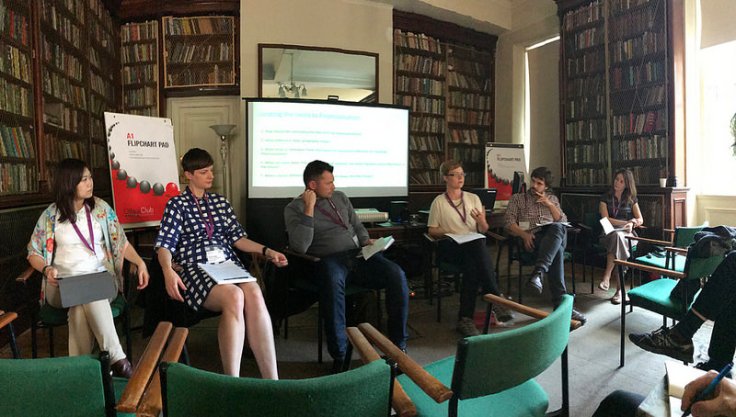
An authors-meet-critics session for the new book ‘Money and Finance after the Crisis: Critical Thinking for Uncertain Times’ (edited by Brett Christophers, Andrew Leyshon and Geoff Mann, Wiley, 2017) saw lively discussions around the roles of financial institutions and regulators in economy and society, and theoretical implications for how we analyse financial crises in historical terms. The final panel on ‘Locating the limits to financialisation’ was attended by Fanny Malinen from Debt Resistance UK, who provided valuable insights on activist work and academic-industry engagement.
 Karen P.Y. Lai